
 By
By Singapore’s wellness industry has grown rapidly in recent years, turning yoga from a quiet practice into a thriving lifestyle movement. Behind this evolution lies a fascinating business transformation. Every yoga studio Singapore now operates not just as a space for exercise but as a brand built on mindfulness, community, and long-term sustainability. The balance between purpose and profit defines the new era of yoga entrepreneurship — where calmness meets creativity and business meets wellbeing.
The Rise of Wellness as an Industry
Wellness is no longer a luxury in Singapore. It has become an essential part of urban life. From corporate executives to homemakers, more people are seeking mental clarity and balance. This growing demand has created opportunities for yoga studios to evolve into lifestyle brands. Instead of merely selling classes, they now sell experiences, culture, and connection.
Studios have started to position themselves within Singapore’s wider wellness economy — collaborating with nutritionists, physiotherapists, cafés, and mental health coaches. The result is a complete ecosystem that promotes holistic living rather than one-off workouts.
Purpose Before Profit: The Core of Yoga Branding
Unlike conventional fitness centres, yoga studios build their identity around authenticity. Every successful studio begins with a strong sense of purpose — to help people live with balance and awareness. This mission becomes the brand’s heart.
Business owners understand that yoga clients value integrity. They prefer studios that stay true to yoga’s philosophy rather than chasing commercial gimmicks. This is why the most respected studios in Singapore invest in community building, transparent pricing, and inclusive environments instead of aggressive marketing.
Purpose-driven branding makes clients feel emotionally connected, encouraging long-term loyalty rather than short-term attendance.
Understanding the Singapore Market
The Singaporean wellness market is unique because it blends Eastern mindfulness with Western efficiency. Consumers here expect quality, professionalism, and measurable results. Successful yoga studios recognise this mindset and create structured programs with clear outcomes such as improved posture, stress management, or weight balance.
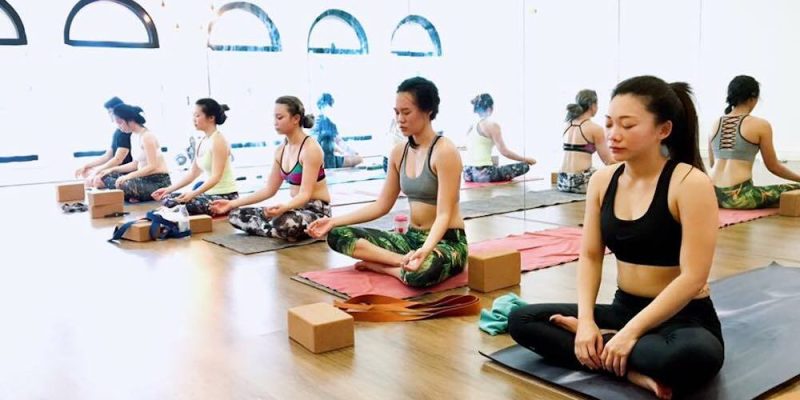
At the same time, they design spaces that feel welcoming, clean, and calm. Studio interiors often feature natural light, warm tones, and minimalistic décor to enhance comfort. Many offer amenities such as herbal teas, community corners, and lounge areas that encourage social interaction after classes.
The goal is not just to offer yoga but to create an entire sensory experience that reflects peace, reliability, and care.
The Business Model Behind Modern Yoga Studios
Running a yoga studio in Singapore requires more than passion. It involves strategy, structure, and innovation. A sustainable yoga business typically operates through several key models:
-
Membership Packages: Monthly or yearly plans offering flexibility and consistent revenue.
-
Corporate Wellness Programs: Partnerships with companies for employee health workshops and regular in-office sessions.
-
Workshops and Retreats: Short-term programs for deeper learning and mindfulness.
-
Online and Hybrid Classes: Catering to digital-first clients seeking convenience.
-
Retail and Merchandise: Selling mats, wellness apparel, and aromatherapy products to extend the brand beyond the studio.
By combining these models, studios maintain financial balance while serving a diverse audience.
Building Trust Through Quality Instruction
In Singapore’s competitive wellness landscape, trust is the strongest marketing tool. Clients expect professionalism, safety, and knowledgeable instructors. Studios invest heavily in teacher training and continuous education to maintain credibility.
Experienced instructors who understand anatomy, mental health, and teaching methodology become the studio’s greatest assets. Personalised attention and alignment correction differentiate a premium studio from a basic one. The emphasis is always on student growth and comfort rather than mass appeal.
Marketing Mindfully in a Digital World
Modern yoga studios rely on digital presence but approach marketing with sensitivity. Social media, email newsletters, and search engine visibility are used to educate, not oversell. Posts often highlight real student experiences, community initiatives, or mindfulness tips instead of flashy promotions.
Transparency is key. Authentic visuals and real testimonials resonate with Singapore’s discerning audience. Instead of chasing followers, studios focus on meaningful engagement — conversations that inspire wellness. This quiet yet confident digital approach builds strong brand credibility over time.
Collaboration and Community Building
One reason yoga studios in Singapore are thriving is their collaborative mindset. Instead of competing, many choose to partner with like-minded wellness brands, local cafés, or sustainable product companies. This ecosystem approach strengthens brand reach while promoting shared values.
Community building also extends to charity events, free introductory classes, and mental health awareness campaigns. These initiatives make clients feel part of something bigger than a fitness routine. Studios that nurture relationships beyond transactions naturally attract loyalty and word-of-mouth referrals.
Financial Sustainability Through Consistency
The financial side of running a yoga studio requires as much balance as the physical practice itself. Rent, instructor fees, and marketing costs can be significant in Singapore’s real estate market. Successful studios manage this by maintaining steady membership numbers, controlling operational expenses, and diversifying income streams.
Consistency — both in teaching quality and client communication — ensures stability. Clients return to studios that feel familiar, dependable, and aligned with their values. Even during economic fluctuations, studios that build strong emotional relationships with their community tend to recover faster.
The Role of Technology in Modern Studios
Technology has transformed the way yoga studios operate. Class management apps, digital payment systems, and virtual scheduling make operations efficient. Many studios now offer live-streamed sessions and on-demand content, making yoga accessible to those with busy lifestyles.
This hybrid approach also allows studios to reach a global audience while maintaining their local identity. The key lies in balancing technology with the personal warmth that yoga represents.
Case Study of Authentic Branding: Yoga Edition
Among Singapore’s wellness pioneers, Yoga Edition stands out for its ability to blend tradition with innovation. The studio has built its reputation not on volume but on experience. Every class reflects its core philosophy — mindful movement, inclusivity, and lasting transformation.
Yoga Edition focuses on creating a sense of belonging where students feel valued, not pressured. Its emphasis on quality instruction, small group settings, and holistic programs makes it a model of sustainable branding. This approach demonstrates that the business of calm can be profitable when built on authenticity and care.
The Future of Yoga Entrepreneurship in Singapore
As the wellness industry continues to expand, the next generation of yoga studio owners will focus on innovation, education, and global outreach. We can expect more virtual programs, corporate partnerships, and specialised therapeutic classes. The demand for mental health support through movement will also grow, placing yoga studios at the centre of Singapore’s wellbeing evolution.
However, the foundation of success will remain the same — integrity, consistency, and empathy. Those who prioritise human connection over competition will continue to lead the industry’s transformation.
Building a Brand That Breathes
The most successful yoga studios in Singapore understand one simple truth: yoga is not a product; it is an experience. Sustainable wellness brands grow not by selling memberships but by inspiring trust and transformation.
In a world where speed often defines success, these studios remind everyone that stillness can be just as powerful. By honouring yoga’s essence while embracing modern business practices, Singapore’s yoga entrepreneurs have created something rare — brands that breathe, connect, and last.
FAQs
Q1. What makes a yoga studio brand sustainable?
A sustainable yoga brand focuses on consistent quality, community engagement, ethical practices, and adaptability rather than short-term profits.
Q2. How do yoga studios in Singapore attract loyal members?
By creating a sense of community, offering personalised instruction, and maintaining authentic communication. Loyalty grows when clients feel emotionally connected.
Q3. Are online yoga programs affecting physical studio attendance?
Not negatively. Hybrid models have expanded accessibility. Many people combine in-person and online classes based on their schedules.
Q4. How important is branding for yoga studios?
Extremely important. A clear brand identity helps build trust, attract like-minded clients, and distinguish the studio from generic fitness centres.
Q5. What trends are shaping the yoga business in Singapore?
Technology integration, corporate wellness partnerships, and mental health-focused programs are key trends shaping the future of yoga entrepreneurship.