 By
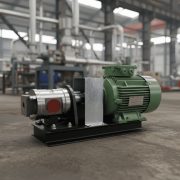
By Industrial operations often rely on the steady, consistent movement of viscous fluids. This requirement is where the design and selection of gear oil pumps play a pivotal role. When systems depend on precise fluid transfer, the equipment involved must be built to withstand continuous use while maintaining performance. Understanding the progression of these systems—from initial selection to long-term integration—can help facility managers make informed decisions that support operational longevity.
Getting Started with Fluid Handling Requirements
Selecting a gear pump manufacturer is a process that typically begins with an analysis of the operating environment. Not all fluids are identical, and the interaction between a liquid’s viscosity, temperature, and chemical composition often dictates the necessary design features of the pump. A thoughtful selection process starts by defining the specific characteristics of the fluid being moved, as well as the expected pressure and flow requirements.
When evaluating potential options, it is often helpful to look for providers who prioritize modularity and custom design. A pump that is built to suit the specific application rather than one pulled from a generic inventory tends to offer more efficient operation over time. Early discussions with a potential partner should focus on the materials used in the pump construction, as the chemical compatibility of internal components like gears and seals is essential for preventing premature failure or contamination. Establishing these parameters early helps ensure the equipment is suited for the intended task from the first day of installation.
How Operational Demands Influence Pump Performance
As a system transitions from initial startup to regular, ongoing operation, the wear patterns on internal components become a focus of maintenance teams. In any gear-based system, the meshing of the gears is a high-contact event. Over time, factors such as particle contamination in the fluid or minor misalignments can lead to subtle shifts in efficiency. This is where the engineering quality of the equipment becomes evident.
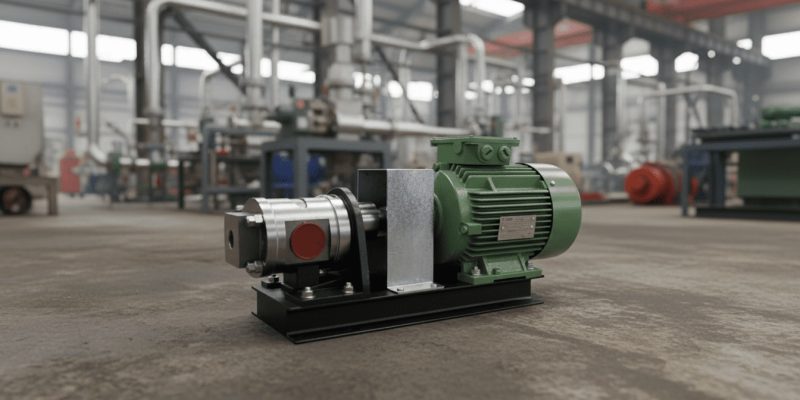
Effective gear oil pumps are generally designed with maintenance in mind. Features such as easily accessible seals, robust bearings, and hardened gear surfaces help manage the heat and friction inherent in high-viscosity fluid handling. As operations progress, facility managers often notice that high-quality components require fewer unscheduled interventions. The difference is often found in the tolerance levels and material integrity specified during the manufacturing phase. When components are engineered to precise standards, the pump is better able to handle the fluctuations in load that typically occur during standard production cycles.
Identifying Signs of Wear and the Need for Adjustment
Monitoring the performance of industrial pumps is an exercise in identifying deviations from the baseline. A well-designed system typically operates with a specific acoustic and thermal profile. As components begin to show signs of age, these profiles often change. An increase in noise, a gradual rise in operating temperature, or a noticeable reduction in flow rate can each serve as early indicators that an adjustment or service is needed.
Rather than waiting for a complete failure, many operators implement a proactive monitoring strategy. This might include periodic vibration analysis or routine inspection of the internal gear chambers. When consulting with a gear pump manufacturer, it is beneficial to ask about the typical service life of wear components and the recommended inspection intervals. Understanding these indicators allows a team to replace seals or internal gear sets during scheduled downtime, which is significantly more cost-effective than responding to an emergency failure during a peak production period. Keeping a clear record of maintenance activities also helps in understanding the lifecycle of the equipment and planning for eventual upgrades.
Sustaining Results Over the Long Term
The long-term reliability of an industrial pumping system is largely determined by the initial commitment to quality and the ongoing rigor of maintenance protocols. Sustainability in this context refers to the ability of the system to maintain consistent output while minimizing energy waste and component replacement.
For many facilities, the partnership with the equipment provider continues long after the initial installation. A responsive gear pump manufacturer remains a valuable resource as the facility grows or as the nature of the handled fluids changes. They can provide guidance on how to optimize existing systems for new requirements, such as adjusting pressures or utilizing different seal materials to accommodate a change in fluid additives.
The most successful industrial setups are those that view their pumping equipment as a long-term asset rather than a consumable part. By focusing on alignment, lubrication, and the use of compatible materials, operators can extend the operational life of their hardware significantly. This perspective changes the approach to the pump from a reactionary maintenance burden to a predictable, stable element of the industrial process. As technology continues to evolve, staying in communication with trusted providers ensures that a facility can leverage improvements in material science and design, keeping their fluid transfer systems functioning effectively well into the future. By maintaining a clear focus on the variables that drive performance, facilities can ensure that their equipment continues to meet the demands of the work environment without unexpected interruptions.