 By
By Athletic programs across northern regions confront a fundamental challenge that transforms entire training schedules: maintaining consistent athletic development when winter weather renders natural grass fields frozen and unusable. The answer increasingly embraced by sports facilities, educational institutions, and training centers involves synthetic turf systems specifically engineered to withstand extreme cold while delivering reliable playing conditions throughout the calendar year.
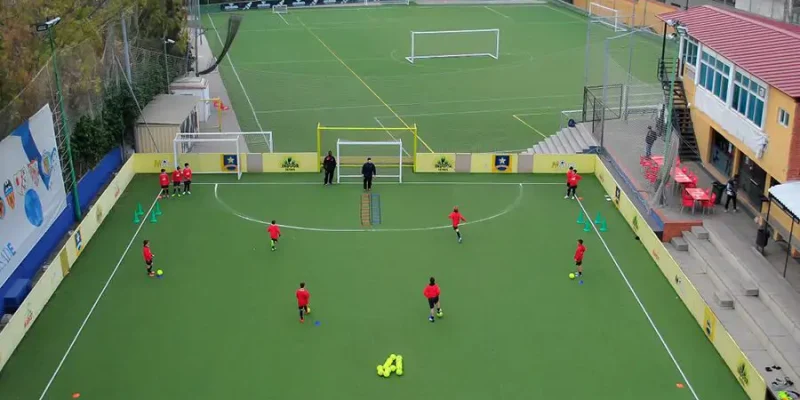
Professional and amateur athletes in cold-weather regions have discovered that AstroTurf surfaces provide critical infrastructure for athletic programs where traditional grass fields remain dormant or completely unusable for extended periods. From professional football training facilities to community sports complexes, these synthetic surfaces enable athletes to maintain conditioning, develop skills, and compete regardless of outdoor temperatures or precipitation levels.
Temperature Resilience Through Advanced Materials
The physical properties of synthetic turf systems deliver distinct advantages when temperatures plummet below freezing, unlike natural grass, which becomes brittle and dangerous when frozen. Quality synthetic surfaces maintain their cushioning properties and structural integrity even in extreme cold conditions. Modern synthetic fibers used in these systems retain flexibility superior to natural grass blades, though manufacturers recommend allowing frost to melt before heavy use to prevent fiber damage.
Professional-grade artificial turf incorporates multiple layers designed to function cohesively in cold conditions. The infill materials, whether organic options like cork and coconut coir or engineered rubber compounds, maintain their shock-absorbing properties across wide temperature ranges. This consistency proves essential for athlete safety, as surface characteristics remain predictable whether temperatures sit at 70 degrees or 20 degrees below zero.
Temperature stability extends beyond the playing surface itself. Modern installations include sophisticated drainage systems, preventing water accumulation and subsequent freezing. These systems channel moisture away from fields rapidly, reducing ice patch formation that could endanger athletes. The permeability rates of quality synthetic turf exceed those of compacted natural grass fields, ensuring melting snow and ice drain efficiently rather than creating standing water that refreezes overnight.
Economic Advantages Transform Facility Operations
The financial implications of maintaining playable surfaces throughout the winter months drive many facilities toward synthetic alternatives like AstroTurf. Natural grass fields in northern climates typically support only 200-300 hours of annual use before requiring renovation, while synthetic surfaces accommodate over 3,000 hours without significant degradation. This dramatic difference in utilization capacity transforms sports facility operation economics, particularly in regions where outdoor seasons remain limited.
Maintenance costs drop substantially when facilities eliminate the need for constant reseeding, fertilization, and irrigation required by natural grass. Winter-specific maintenance expenses disappear entirely—no more specialized heating systems, field covers, or emergency snow removal to prepare for games. Labor costs associated with year-round grass maintenance, including specialized knowledge required to manage dormant turf through freeze-thaw cycles, represent significant savings for facility operators.
Revenue generation opportunities expand dramatically when facilities offer consistent, bookable playing surfaces regardless of weather conditions. Youth sports leagues, adult recreational programs, and training academies seek reliable venues that won’t cancel sessions due to frozen or muddy fields. The ability to schedule activities confidently throughout the winter months creates new income streams while serving community needs for year-round athletic programming.
Indoor Integration Maximizes Cold-Weather Benefits
The combination of AstroTurf surfaces with indoor facilities creates optimal training environments for cold-climate regions. Educational institutions increasingly recognize that indoor synthetic turf installations provide competitive advantages for their athletic programs, allowing teams to maintain intensive practice schedules. In contrast, peer institutions in similar climates face weather-related limitations.
Indoor installations present unique considerations compared to outdoor fields. Facilities experience more concentrated wear patterns due to smaller field dimensions and continuous use throughout each day. Manufacturing specifications for indoor surfaces emphasize higher face weights—measured in ounces per square yard—to withstand this intensive utilization. Ventilation and air quality considerations become paramount in enclosed spaces, with modern synthetic turf systems designed for indoor use undergoing extensive testing to ensure they meet indoor air quality standards.
Technological Adaptations for Northern Climates
Manufacturers like AstroTurf have developed specific technologies addressing the unique demands of cold-weather installations. Fiber compositions now incorporate co-polymers, maintaining flexibility at low temperatures while resisting brittleness that early generation synthetic turfs experienced in freezing conditions. These advanced materials combine nylon durability with polyethylene’s softer feel, creating surfaces that perform consistently across temperature ranges.
Anti-static technologies prove particularly valuable in cold, dry conditions where static electricity buildup can affect both playing conditions and athlete comfort. Modern systems incorporate additives that reduce static generation, addressing comfort concerns in shared athletic facilities serving diverse athletic populations throughout harsh winter months.