 By
By The process of removing a fastener that has become trapped by corrosion or debris is often viewed as a sudden, intense battle of physical force. However, experienced mechanics and hobbyists alike understand that the most successful approach usually unfolds in stages. Rushing into the effort with a wrench often leads to stripped threads or broken hardware, turning a simple maintenance task into a significantly more complex repair. Instead, taking a measured approach—starting with the right chemical assistance—is typically the most reliable way to achieve progress.
Initial Assessment and Preparing the Surface
Before reaching for a spray to loosen bolts, the first logical step is to address the environment around the fastener. Debris, paint, or thick layers of grime can act as a barrier, preventing a penetrating agent from reaching the threads where it is needed most. Taking a moment to clear away loose rust or dried mud with a stiff-wire brush creates a cleaner pathway.
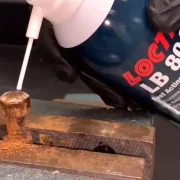
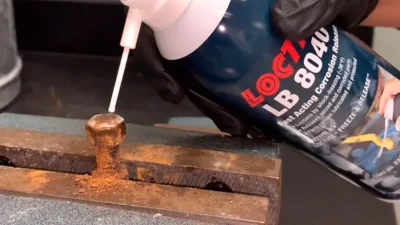
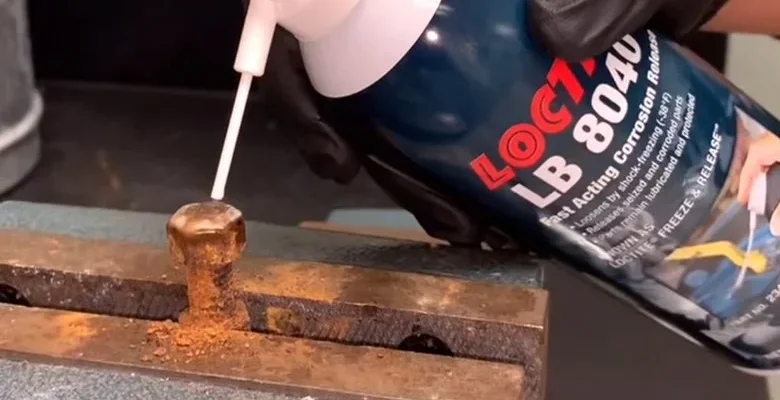
When applying the solution, the goal is penetration. The fluid needs to move through the microscopic gaps between the threads and the surrounding material. Applying the spray to loosen bolts and allowing it to sit is a critical part of the process. Rather than expecting immediate results, consider that these fluids are designed to work by capillary action, which is a slow but steady movement into tight spaces. In many cases, letting the treatment soak for several minutes—or even longer if the corrosion appears severe—significantly improves the chances of a clean removal.
Understanding the Role of Lubrication and Time
As the chemical agent begins to work, the nature of the challenge starts to shift. The primary obstacle is friction combined with oxidation that has effectively bonded the two metal surfaces together. A high-quality loosen bolts spray is formulated to break that bond by dissolving some of the surface rust and providing a thin layer of lubrication.
What changes as things progress is the depth of the penetration. If a fastener remains stubborn after an initial attempt, reapplying the spray and adding a light, controlled tap with a hammer to the head of the bolt can help the fluid migrate deeper. This vibration serves a mechanical purpose: it creates microscopic gaps that allow the fluid to seep further down the shaft. Patience is the most effective tool here. It is often better to apply the solution, step away to allow it to penetrate, and return later than it is to force the issue while the threads are still dry and seized.
Signs of Progress and When to Adjust Strategy
Determining whether the treatment is working typically involves testing the movement of the fastener. A slight “nudge” with a hand tool can reveal if there is any give. If the bolt moves even a fraction of a degree, it is usually a positive sign that the lubricant is doing its job.
However, there are moments when a different approach is necessary. If a fastener feels completely immobile despite repeated applications, or if the tool begins to slip, continuing to apply force can be counterproductive. This is the stage where one might consider alternatives, such as applying controlled, gentle heat to the area surrounding the fastener to encourage metal expansion and contraction, which can break the stubborn bond of rust. If you find yourself needing to use significant force, it is often a sign to pause, re-apply the spray to loosen bolts, and reconsider the angle of the wrench or the amount of torque being applied. Understanding these indicators prevents the common and frustrating outcome of shearing the bolt head off entirely.
Sustaining Results and Future Prevention
Long-term maintenance of hardware involves more than just solving the current issue; it involves creating a situation where future maintenance is less difficult. Once a bolt has been successfully removed, the threads should be cleaned of old, oxidized material.
When reinstalling fasteners, consider whether the application of a high-quality thread lubricant or anti-seize compound is appropriate for that specific assembly. These products are designed to prevent the recurrence of the binding that necessitated the use of a spray to loosen bolts in the first place. For residents of this region, where varying temperatures can lead to condensation and accelerated corrosion in outdoor or unheated equipment, using protective coatings on exposed hardware is a common practice.
The long-term picture is one of thoughtful management. By viewing hardware as a system that requires periodic attention rather than just a set of parts to be ignored until they fail, you reduce the likelihood of needing emergency repairs. The consistent use of appropriate cleaning and lubricating agents ensures that when the time comes to perform a repair or adjustment, the components remain cooperative, saving time and frustration over the life of your equipment.