 By
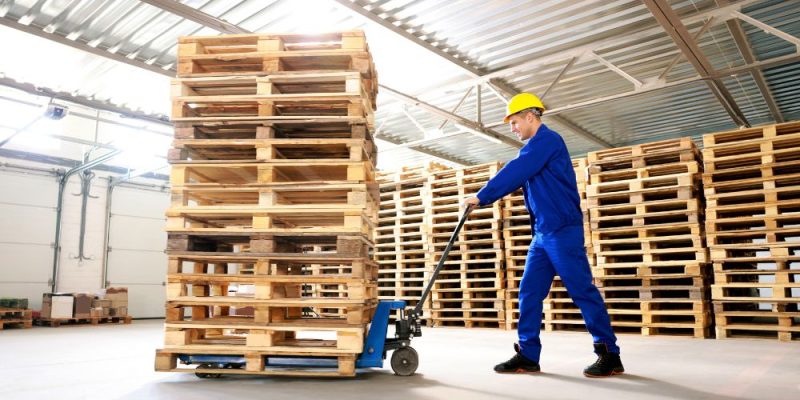
By For many businesses, pallets are a constant but overlooked part of operations. They come in, they go out, and over time they build up—often taking up space, creating inefficiencies, or simply being discarded without much thought.
Across Perth, more businesses are starting to rethink how they manage pallets—not just in terms of supply, but also reuse, durability, and recovery. A more practical approach can reduce costs, improve workflow, and minimise unnecessary waste.
The Hidden Cost of Unmanaged Pallets
It’s common for businesses to focus on acquiring pallets, but not on what happens after they’ve been used. Over time, unused or damaged pallets can accumulate, taking up valuable warehouse space and creating safety hazards.
Without a clear process in place, businesses may end up:
- Disposing of pallets unnecessarily
- Paying for excess storage or waste removal
- Reordering pallets more frequently than needed
This is where services like pallet collection become practical. Instead of letting pallets pile up, they can be removed, assessed, and reintroduced into circulation where possible.
Why Durability Should Be a Priority
Not all pallets are designed for the same level of use. In high-demand industries, pallets are often exposed to heavy loads, rough handling, and repeated transport cycles.
For businesses operating in these conditions, investing in stronger materials makes a noticeable difference. Hardwood pallets Perth suppliers provide options that are built to withstand heavier loads and last longer under pressure.
While they may come at a higher upfront cost, hardwood pallets typically:
- Require fewer replacements
- Perform better in demanding environments
- Reduce the risk of product damage
Over time, this can lead to more stable operations and fewer disruptions.
Rethinking How Pallets Are Sourced
When businesses look for a pallet for sale, the decision is often based on price or immediate availability. But this short-term approach doesn’t always deliver the best outcome.
A more effective strategy is to consider:
- How often pallets will be used
- Whether they will be reused or discarded
- The type of goods being transported
- The environment they’ll be exposed to
By aligning pallet choice with actual usage, businesses can avoid overpaying for unnecessary quality—or underinvesting in pallets that won’t hold up.
Many companies sourcing a pallet for sale are now taking this broader view, focusing on long-term value rather than just upfront cost.
The Shift Towards Reuse and Recycling
Sustainability is becoming a bigger consideration across Australian industries, and pallet use is part of that conversation.
Rather than treating pallets as disposable, businesses are starting to:
- Reuse pallets internally
- Repair damaged units where possible
- Return excess pallets through collection services
This not only reduces environmental impact but also improves cost efficiency. Reintroducing usable pallets back into operations means fewer new pallets need to be purchased.
It’s a practical shift—one that benefits both the business and the broader supply chain.
Keeping Operations Running Smoothly
At a practical level, pallet management comes down to consistency. Having the right pallets available when needed—and not having excess when they’re not—helps keep operations running without unnecessary interruptions.
Working with a reliable supplier and having a clear plan for pallet use, reuse, and collection can:
- Free up warehouse space
- Reduce delays in loading and dispatch
- Improve overall organisation
- Support safer working conditions
Even small improvements in how pallets are managed can have a noticeable impact over time, particularly for businesses handling high volumes.
Conclusion
Pallets might seem like a minor detail in the bigger picture, but they play a key role in how efficiently a business operates. From durability and sourcing to collection and reuse, each decision contributes to overall performance.
For businesses in Perth, taking a more structured approach—whether that’s investing in hardwood pallets, arranging pallet collection, or being more selective when sourcing pallets for sale—can lead to better outcomes across the board.
It’s not about overcomplicating things, but about making smarter, more informed choices that support day-to-day operations and long-term efficiency.